The Food Forest
GROWING FOOD THE WAY NATURE INTENDED IT TO GROW
A Garden That Grows Like a Forest
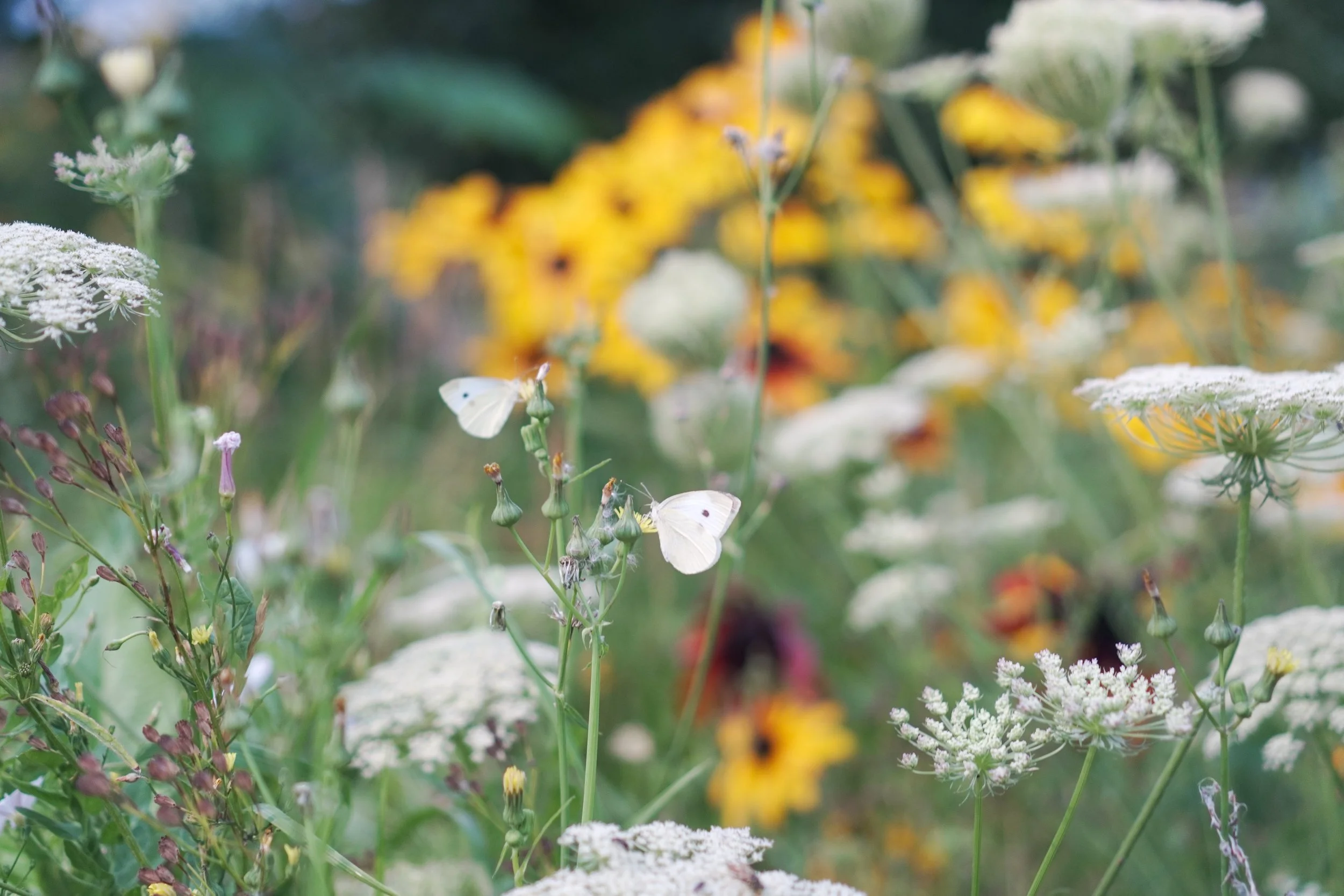
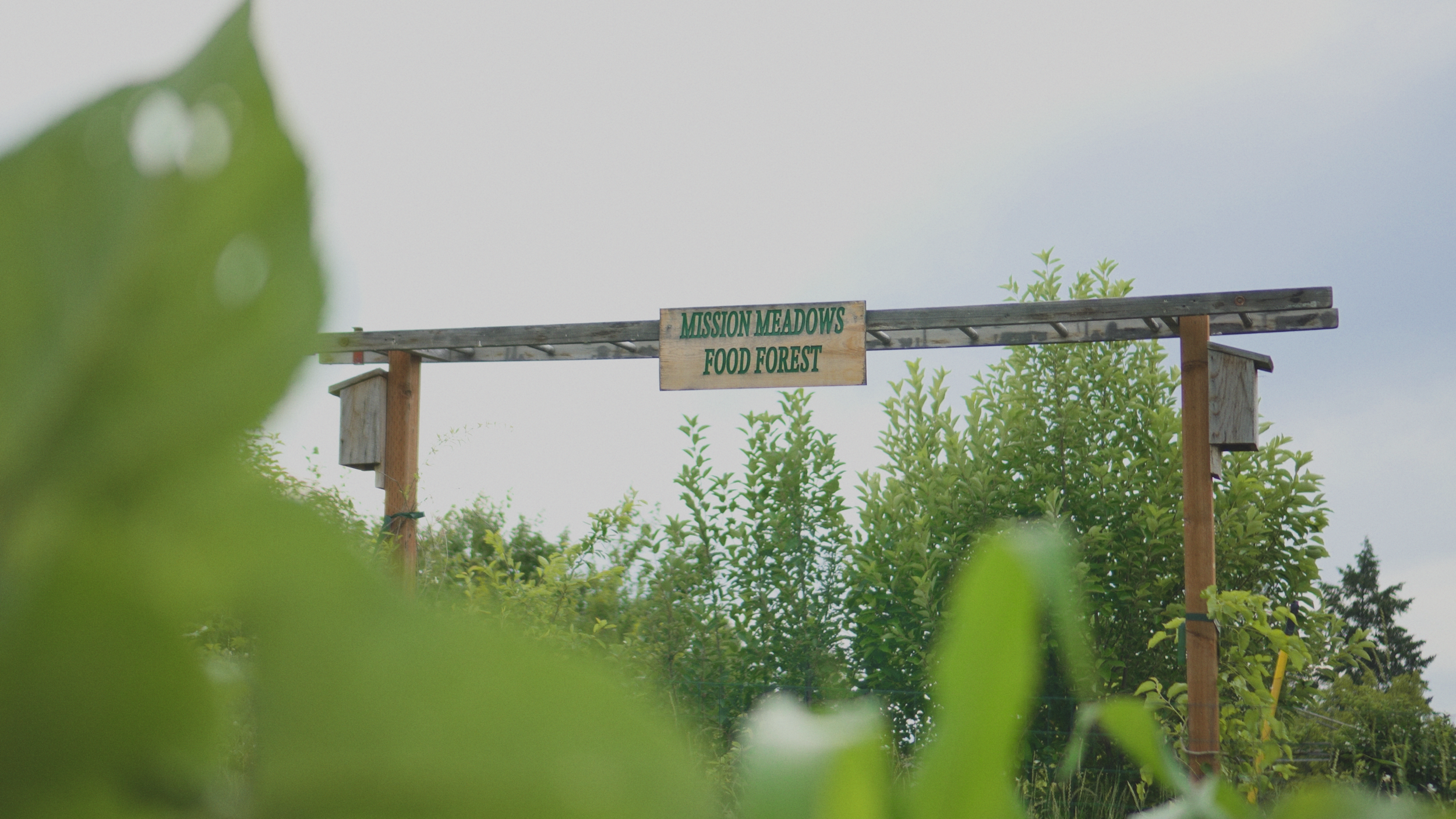
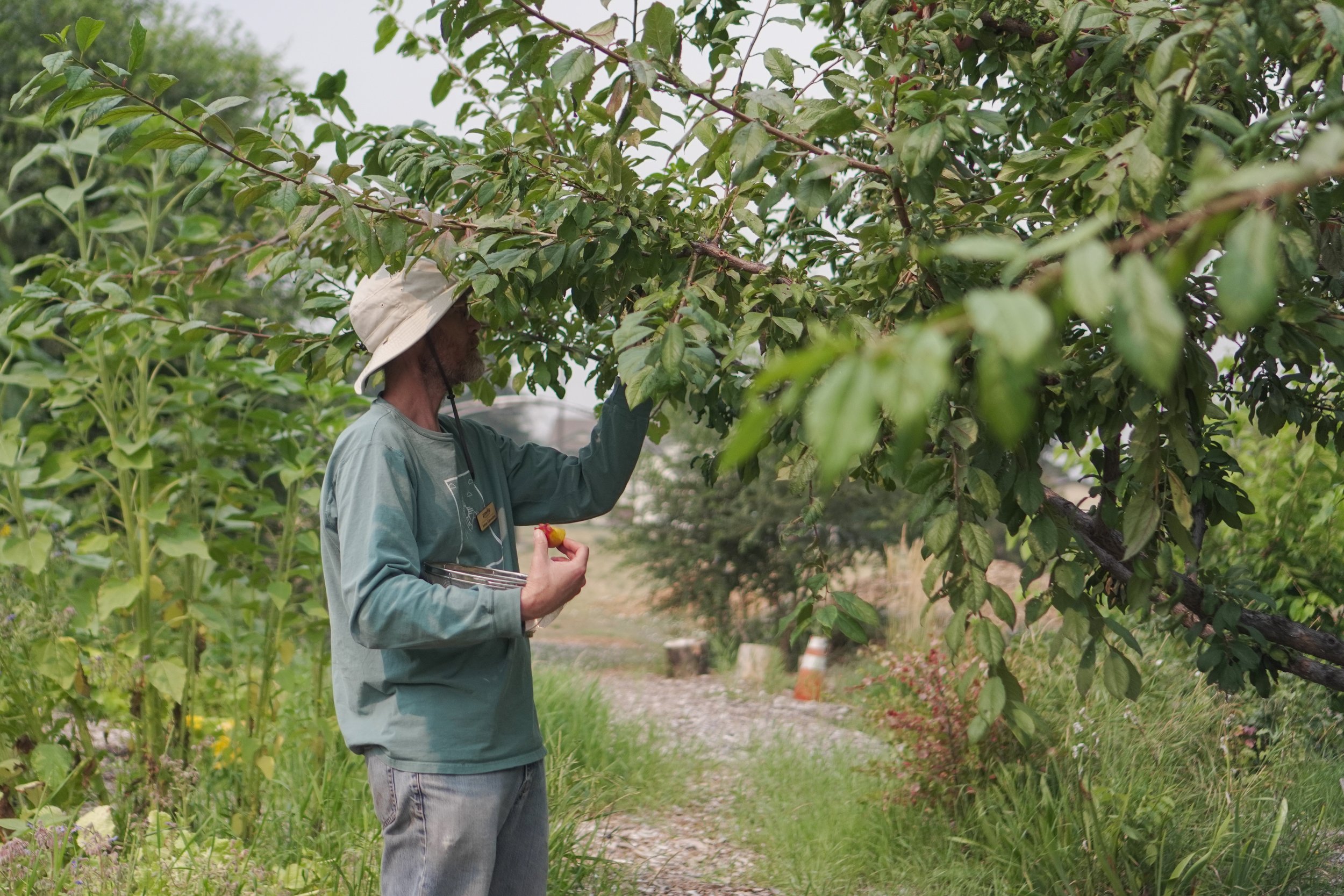
Tucked into a corner of Mission Meadows, the Food Forest is a living, layered garden where fruit trees, berry bushes, herbs, and perennials grow together the way they would in the wild. Instead of rows and seasons, it relies on relationships — each plant supporting the next — to produce food year after year with less work and more resilience.
What is a Food Forest?
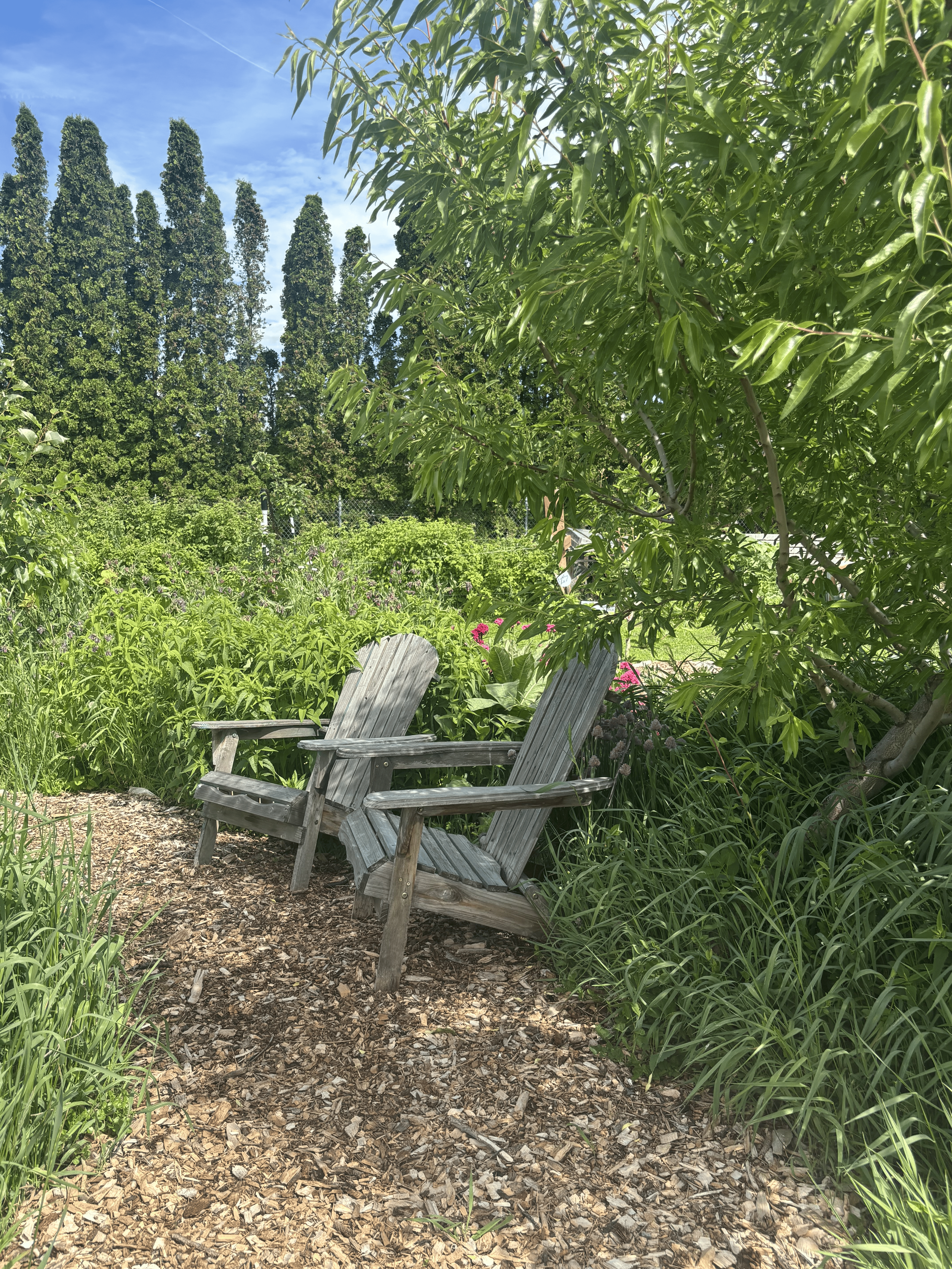
A food forest is a garden modeled on a natural woodland, planted in layers instead of rows: tall fruit and nut trees form a canopy, smaller trees and berry bushes fill the middle, and herbs, vegetables, and ground cover fill in below. Because the plants are chosen to support one another — sharing space, shading roots, and building soil — the whole system needs less watering, weeding, and replanting than a traditional garden while producing food, habitat, and beauty for years to come.
How We Grow It
Our Food Forest follows permaculture principles — a design approach that works with nature's patterns instead of against them:
Observe First — We watch how sun, water, and wildlife move through the space before planting, so every tree and bed has a purpose.
Stack Functions — Every plant earns its place by doing more than one job: feeding people, feeding pollinators, building soil, or holding water.
Layer the Canopy — Tall trees, small trees, shrubs, herbs, and groundcover all grow together in the same footprint, just like a wild forest.
Build Soil, Don't Deplete It — Mulch, compost, and fallen leaves stay on site to feed the ground instead of being hauled away.
Plant Guilds, Not Rows — Trees are surrounded by companion plants that support their roots, deter pests, and draw in pollinators.
Design for Resilience — A diverse mix of species means the garden keeps producing even when weather, pests, or seasons don't cooperate.
What We Grow
Fruit Trees
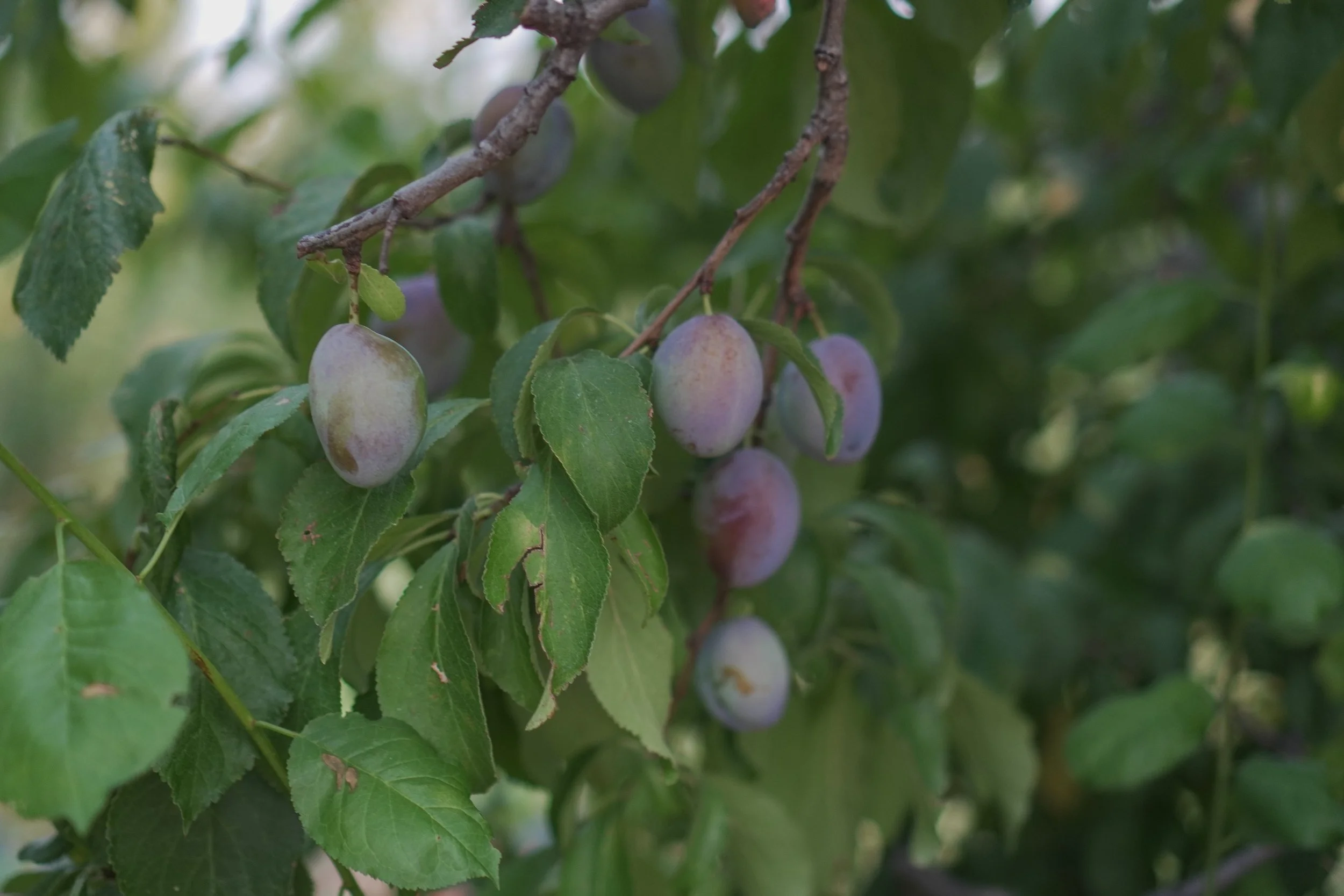
Our growing orchard features plum, cherry, apple, and almond trees, offering fresh seasonal fruit for volunteers, visitors, and neighborhood wildlife to share and enjoy.
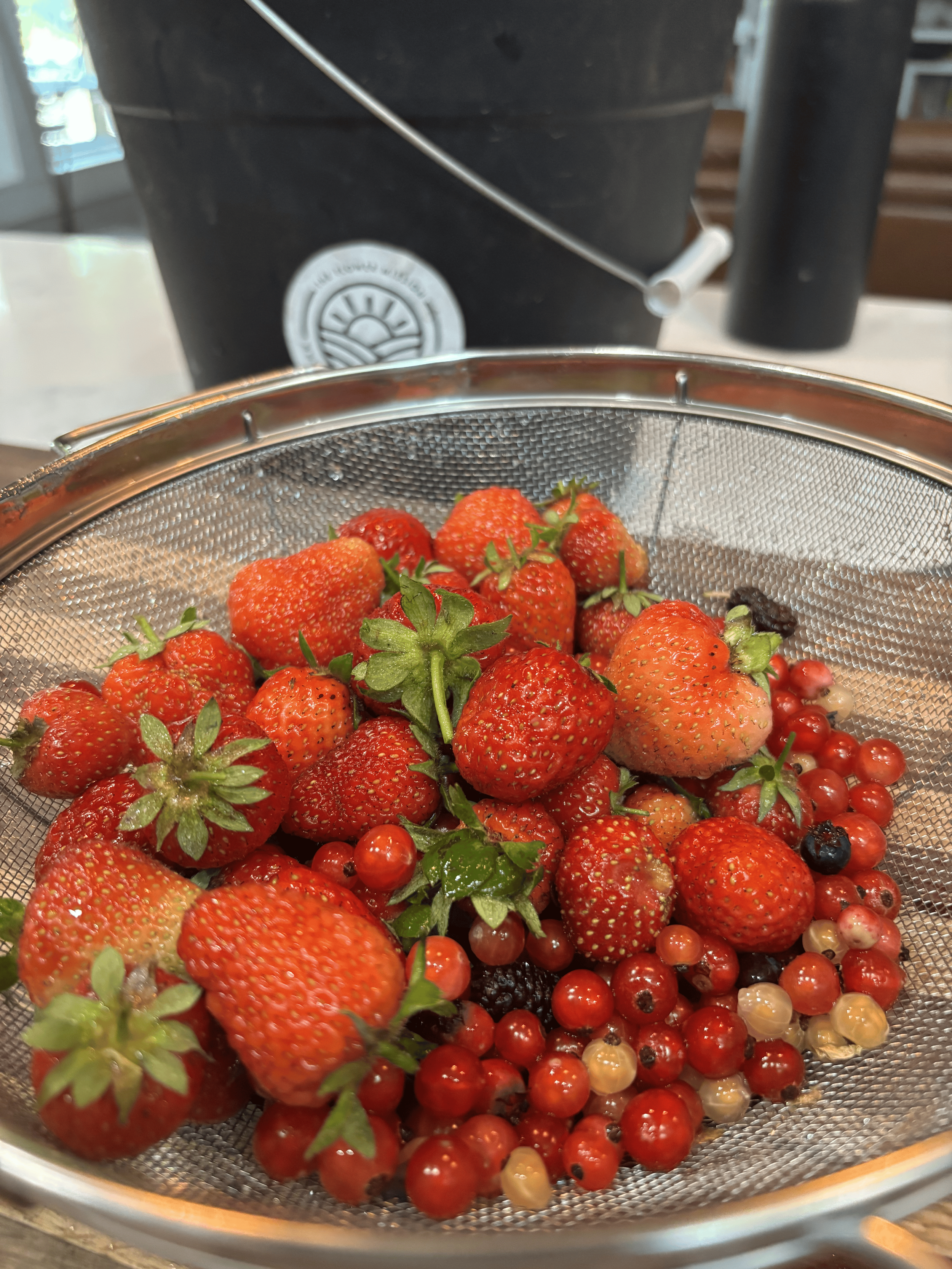
Everbearing berry bushes and perennial herbs keep the food forest blooming through the seasons, giving foragers, pollinators, and garden wildlife plenty to feast on.
Edible Plants
A perennial garden built around productive trees and shrubs, planted to mirror natural forest patterns and boost food production while restoring healthy soil naturally.
Perennial Guilds